
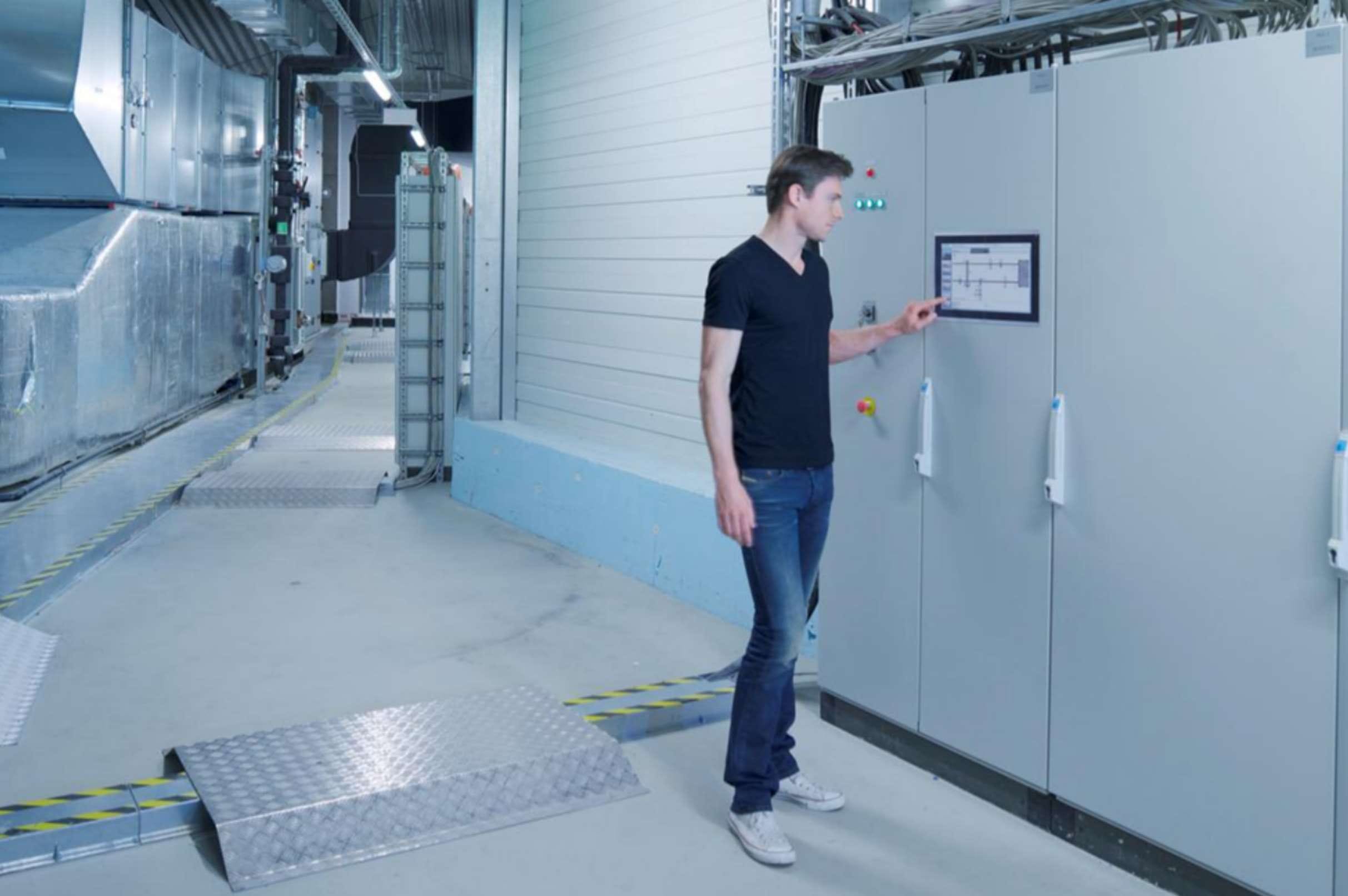
A system can operate without operating well
Building automation may appear to work while its configuration, field measurements and alarms gradually diverge from real needs. This can happen after building alterations, tenant changes and years of operation.
What degrades over time?
Incorrect schedules, sensor drift, disabled alarms, manual overrides and outdated control parameters can reduce both comfort and efficiency. An excessive number of unprioritised alarms also makes incidents harder to manage.
What does a useful BMS service visit include?
Review operating modes and alarm history, verify critical sensors, examine time schedules, look for contradictory heating and cooling commands, and assess trends. Check communication and cybersecurity arrangements where appropriate.
From maintenance to improvement
The service report should identify observed faults, recommended actions, priorities and ownership. Historical comparisons can help determine whether changes improved results.
The financial value of planned maintenance
The aim is not simply to perform scheduled visits. It is to reduce avoidable disruptions, maintain system documentation and preserve operational value throughout the lifecycle.
Suggested periodic maintenance checklist
- Review critical alarms, unresolved events and repeated communication failures.
- Compare actual HVAC schedules with current tenant use and occupancy.
- Verify representative sensor readings against a suitable reference where practical.
- Check manual overrides, disabled points and equipment left permanently in local mode.
- Review trend completeness, data storage and the ability to export a meaningful report.
- Check controller, switch and server backups, recovery information and access rights.
- Record interventions and test any changes before returning to normal operation.
Not every item needs to be performed at the same frequency. A hospital, retail site or production plant may require different maintenance windows, escalation rules and acceptance procedures.
How should the service report be written?
State what was inspected, what was tested, which issues were observed, what was changed, which issues remain open and who is responsible for the next action. Include useful evidence such as trend extracts, alarm counts or measured temperatures. A note saying only “system inspected” offers little lasting value to the client.
Preventive and corrective maintenance are complementary
Preventive work helps avoid certain faults and identify gradual deterioration, but not every unexpected failure can be prevented. Clear emergency response arrangements, spare-part planning, remote access procedures and reliable support contacts are still necessary. When a control change affects safety, production or the indoor environment, it should be scheduled and tested appropriately.
Six tasks for a meaningful service visit
- Review equipment status and verify that key sequences work in their expected modes.
- Check unresolved, recurrent and suppressed alarms rather than acknowledging everything indiscriminately.
- Compare actual operating schedules with the building's present occupancy and requirements.
- Check representative sensor values against independent measurements where needed.
- Review historical trends for persistent deviations, cycling and unnecessary energy use.
- Provide a written plan distinguishing urgent repairs from potential optimisations.
Maintenance is part of lifecycle management
Over time, tenants, schedules, equipment and IT infrastructure change. A BMS that was well tuned at handover can therefore become inefficient without having an obvious broken component. Systematic reviews reduce the risk of problems being hidden by repeated manual overrides.
A practical service report should identify what was inspected, evidence of abnormalities, corrective action, remaining risks and recommended dates for follow-up. Configuration backups and security reviews should be planned as carefully as physical inspections.
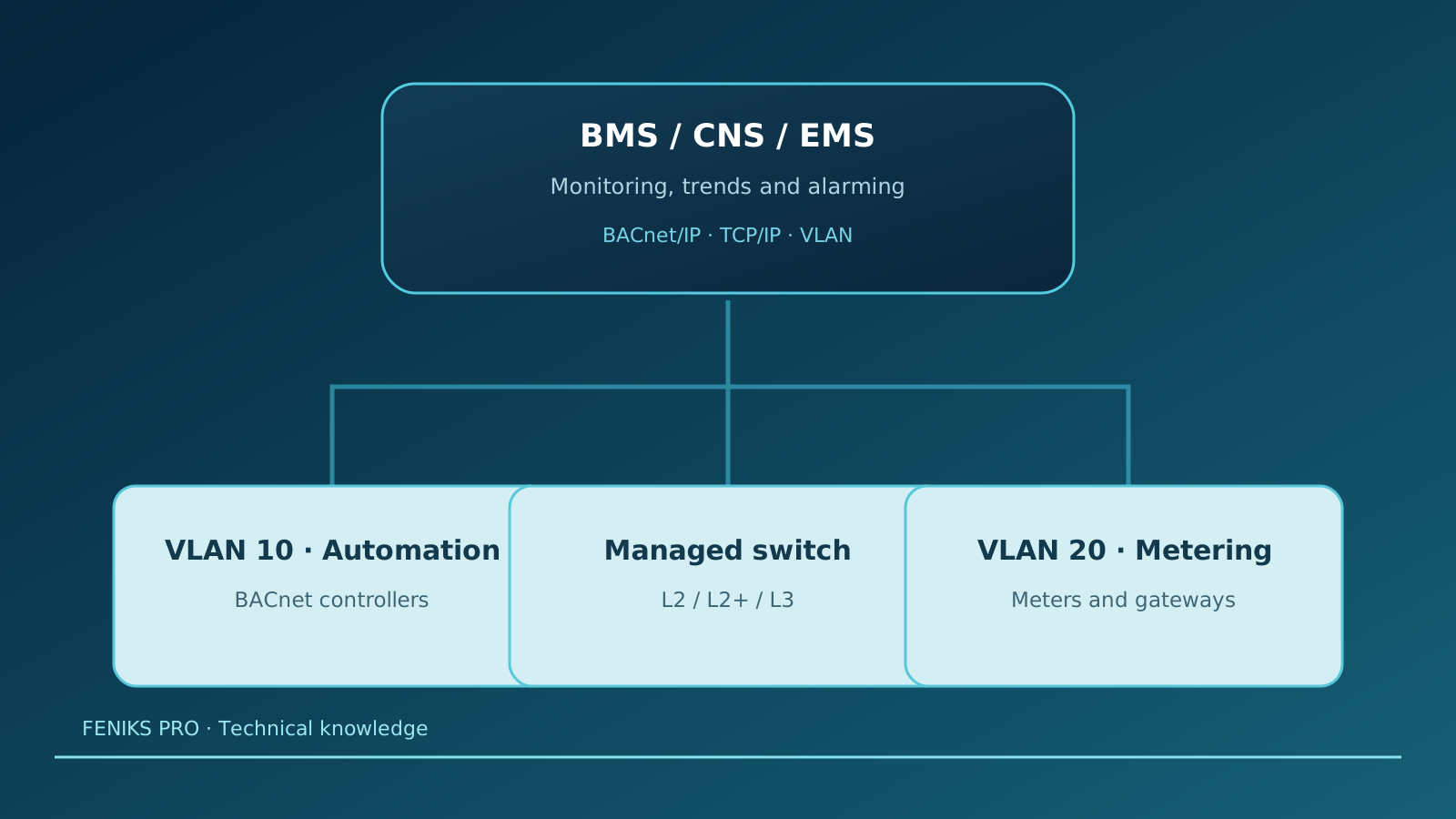 Network switches in building automation: L2, L2+ and L3 for BACnet/IPRead article ↗
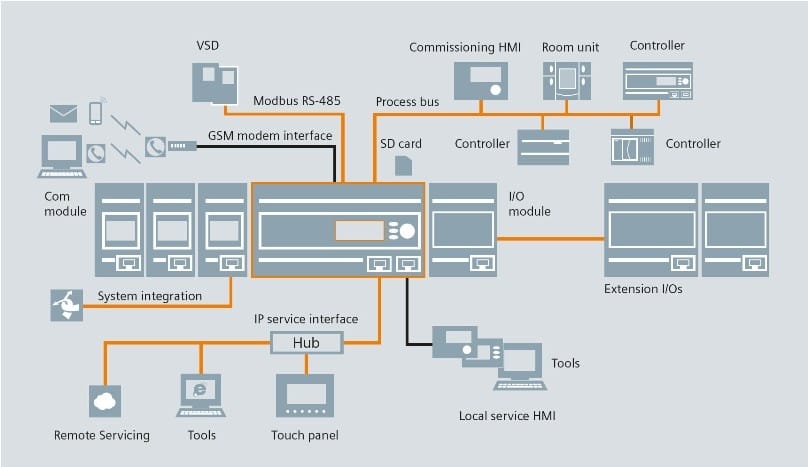 Five building automation mistakes that cost investors moreRead article ↗
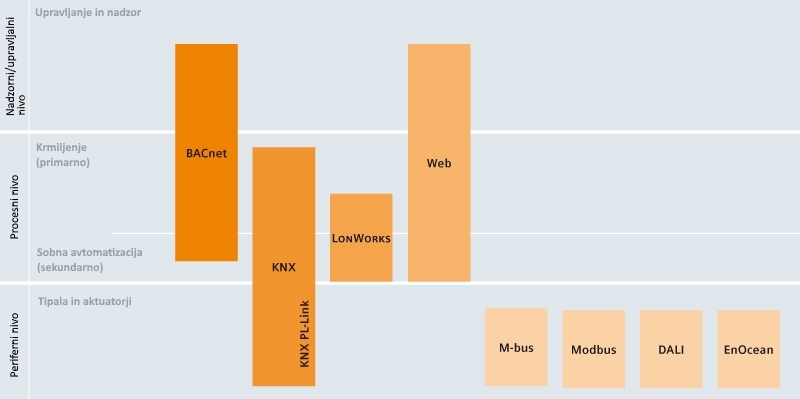 BACnet, Modbus or KNX: which protocol and when?Read article ↗