Engineering begins with the operation of the building
Detailed design is not simply a list of controllers and cable lengths. It describes how HVAC equipment, metering and building automation must work in everyday use. Early decisions about system boundaries, alarms and integration help reduce later changes and unclear responsibilities.
What a detailed-design package can contain
- Functional descriptions of control sequences, operating modes and safety interlocks.
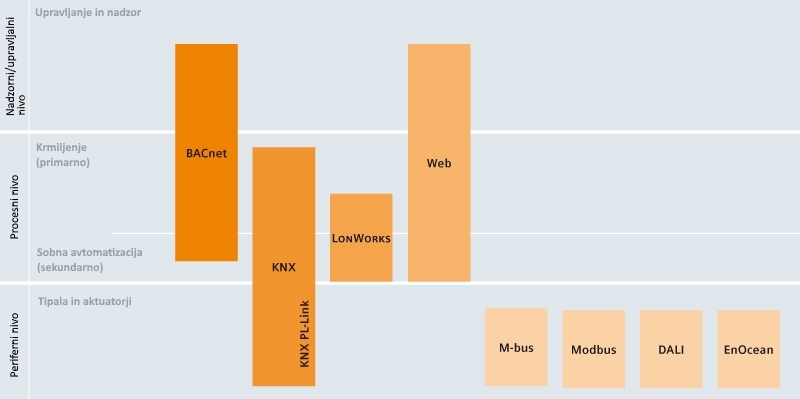
- System topology and communication concepts, including BACnet, Modbus or KNX where relevant.
- Digital and analogue input/output lists, device schedules and control-cabinet requirements.
- Network and integration interfaces, alarm priorities and trend-logging requirements.
- Installation details, commissioning test cases and as-built documentation.
From plans to tested operation
We coordinate automation with mechanical, electrical and IT disciplines. During commissioning we test both expected operation and abnormal states: loss of communication, invalid sensor values, emergency conditions and manual overrides. The agreed acceptance procedure should show what was tested and what remains outside project scope.
Existing buildings often need a staged approach. An inventory of installed equipment and its software versions can reveal which components are reusable, where gateways are required and which devices need replacement. This is generally more useful than replacing everything solely because a system is older.