



One building, many systems – one coordinated approach
Owners and operators need comfortable indoor conditions, manageable energy costs, reliable equipment and an understandable way to operate the building. Building automation links these objectives by coordinating technical installations rather than treating heating, cooling, ventilation, lighting and metering as isolated systems.
Our engineering process begins with the operational requirements and available infrastructure. We define how the installation should react to occupancy, outdoor conditions, equipment faults and changes in energy demand. The result can be a local control solution, a complete building management system (BMS), energy monitoring, or a phased upgrade of an existing installation.
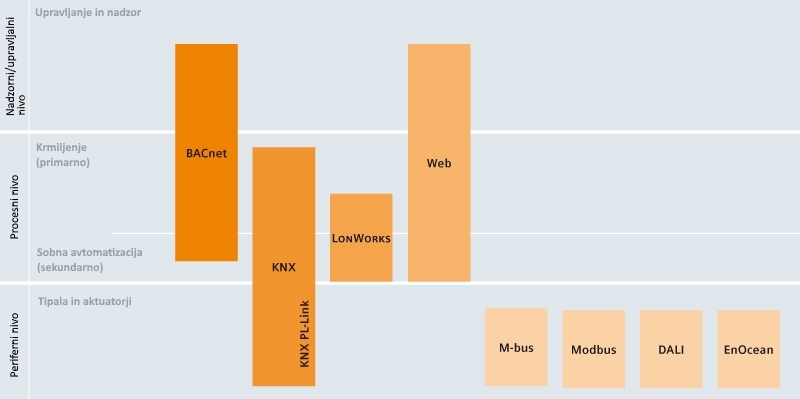
Four levels of a building automation solution
| Level | Purpose | Examples |
|---|---|---|
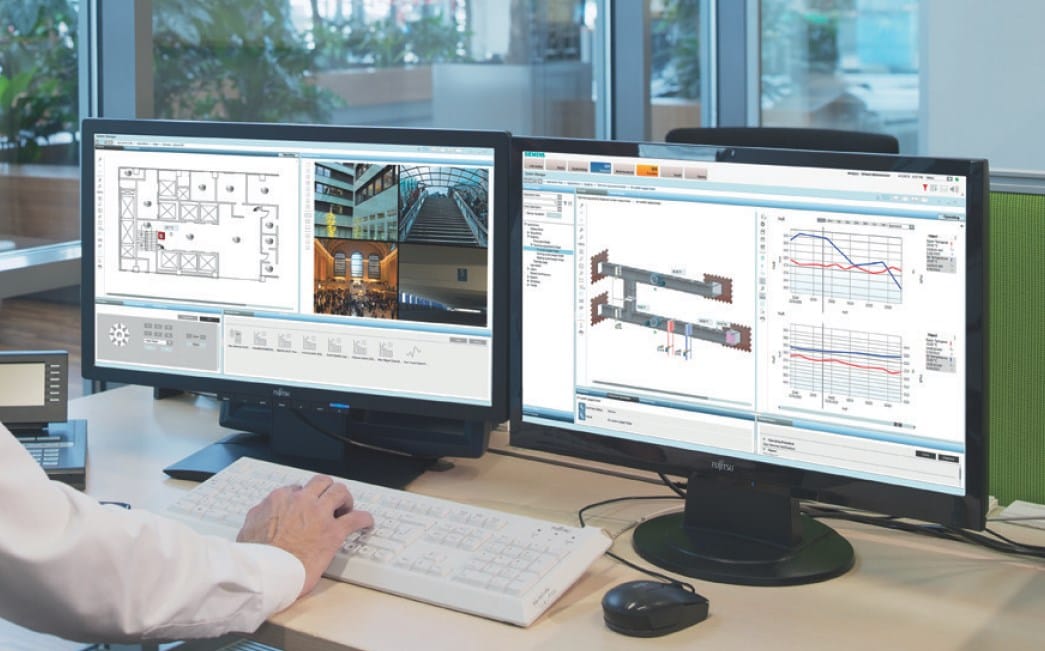
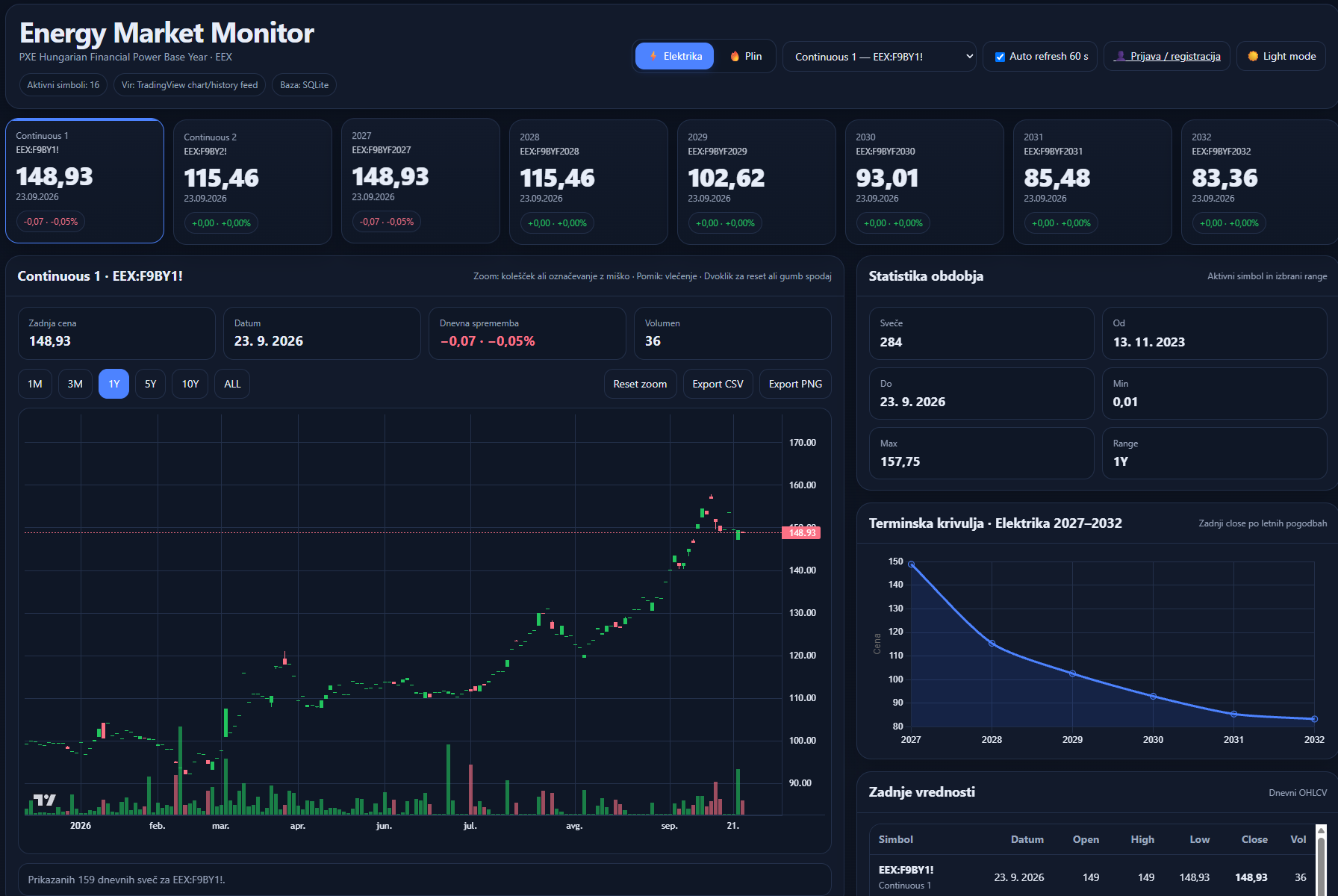
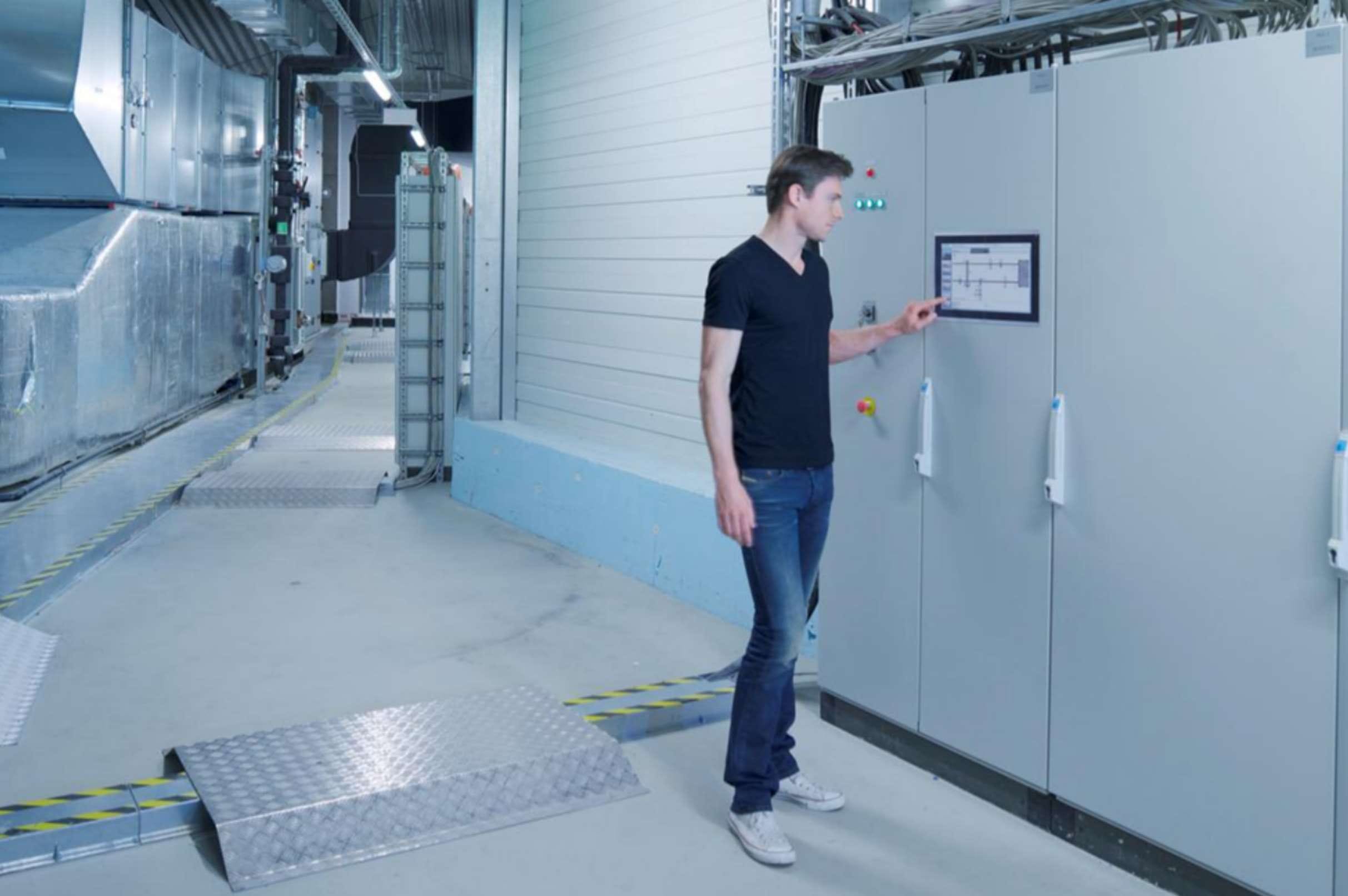
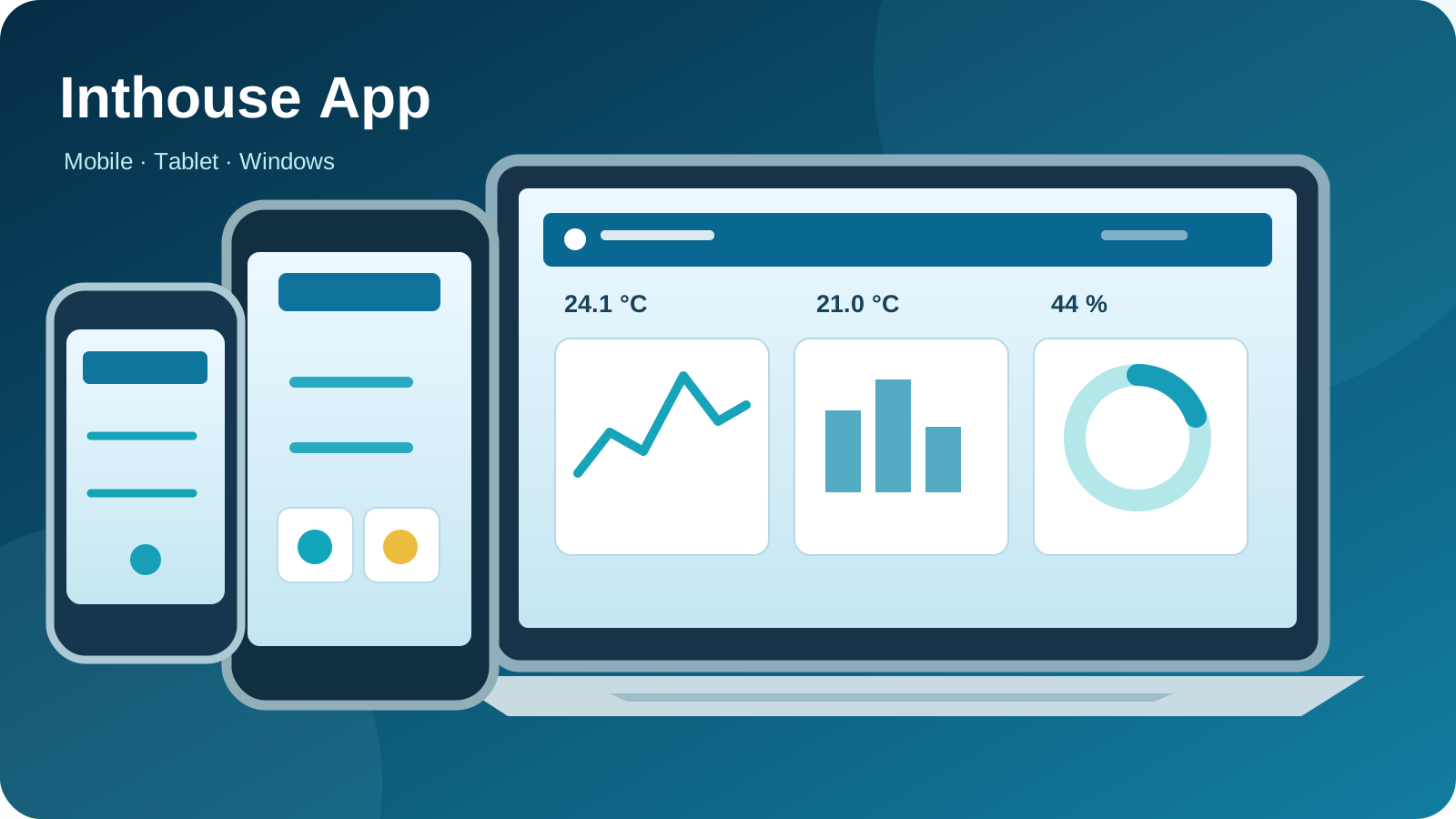
| Management and supervision | Operating screens, trends, alarms, schedules and reporting | Desigo CC, BMS dashboards, EMS |
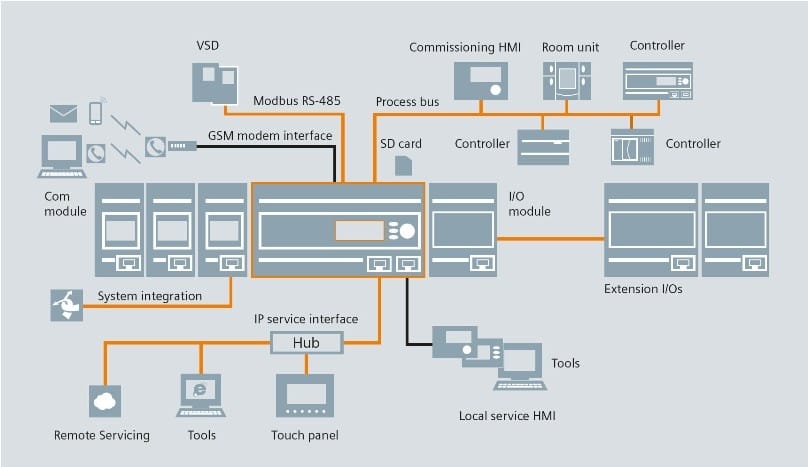
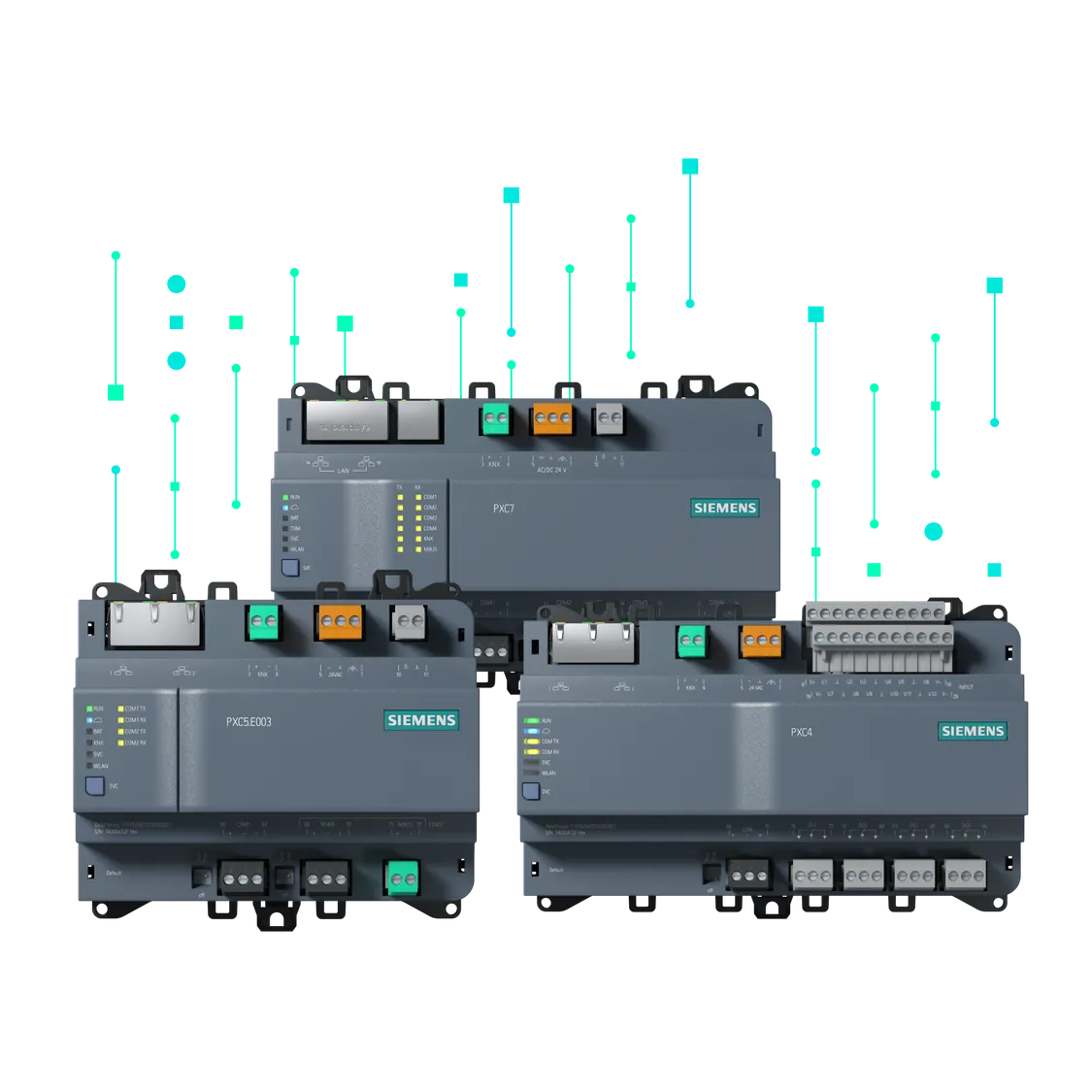
| Automation and control | Control sequences, interlocks, equipment coordination | Desigo PXC, Siemens Climatix, PLCs |
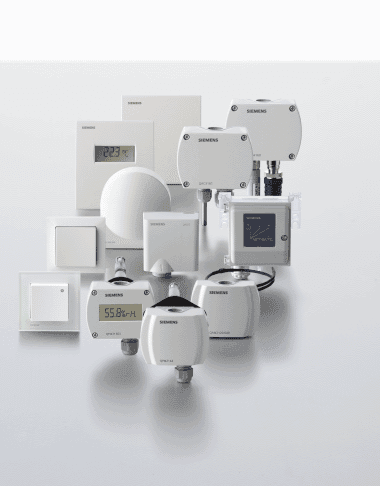
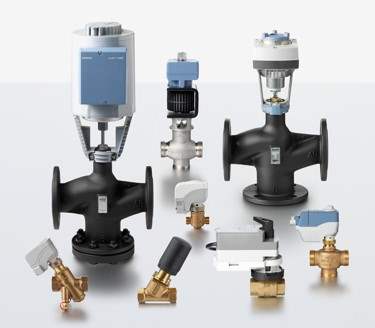
| Field equipment | Measurements and physical control | Sensors, valves, dampers and drives |
| Communication and integration | Reliable data exchange between subsystems | BACnet, Modbus, KNX, M-Bus, DALI |
Open architecture protects the investment
Well-documented, interoperable interfaces make future extensions and maintenance more practical. A BMS may connect different manufacturers, but the specific BACnet or Modbus objects, write permissions, gateway functions and cybersecurity arrangements must be verified during design. Open protocols do not automatically guarantee that every device feature is accessible.
Energy performance and standards
Building automation can improve energy performance by adapting schedules, setpoints, ventilation and equipment operation to real demand. The former EN 15232 framework is frequently referenced in historical literature; for present-day projects check the applicable edition of EN ISO 52120-1 and national requirements. ISO 50001 concerns energy management systems, while ISO 14001 addresses environmental management. They are distinct standards that can complement one another.
Practical project sequence
- Survey existing plant, meters, controllers and network interfaces.
- Agree on required functions, responsibilities and the desired scope of integration.
- Prepare schematics, control descriptions, point lists and cybersecurity requirements.
- Implement and test normal operation, alarm conditions and communication failures.
- Hand over documentation and train operators to interpret alarms and trends.
Explore our BMS solutions, control systems, field devices and energy monitoring.