
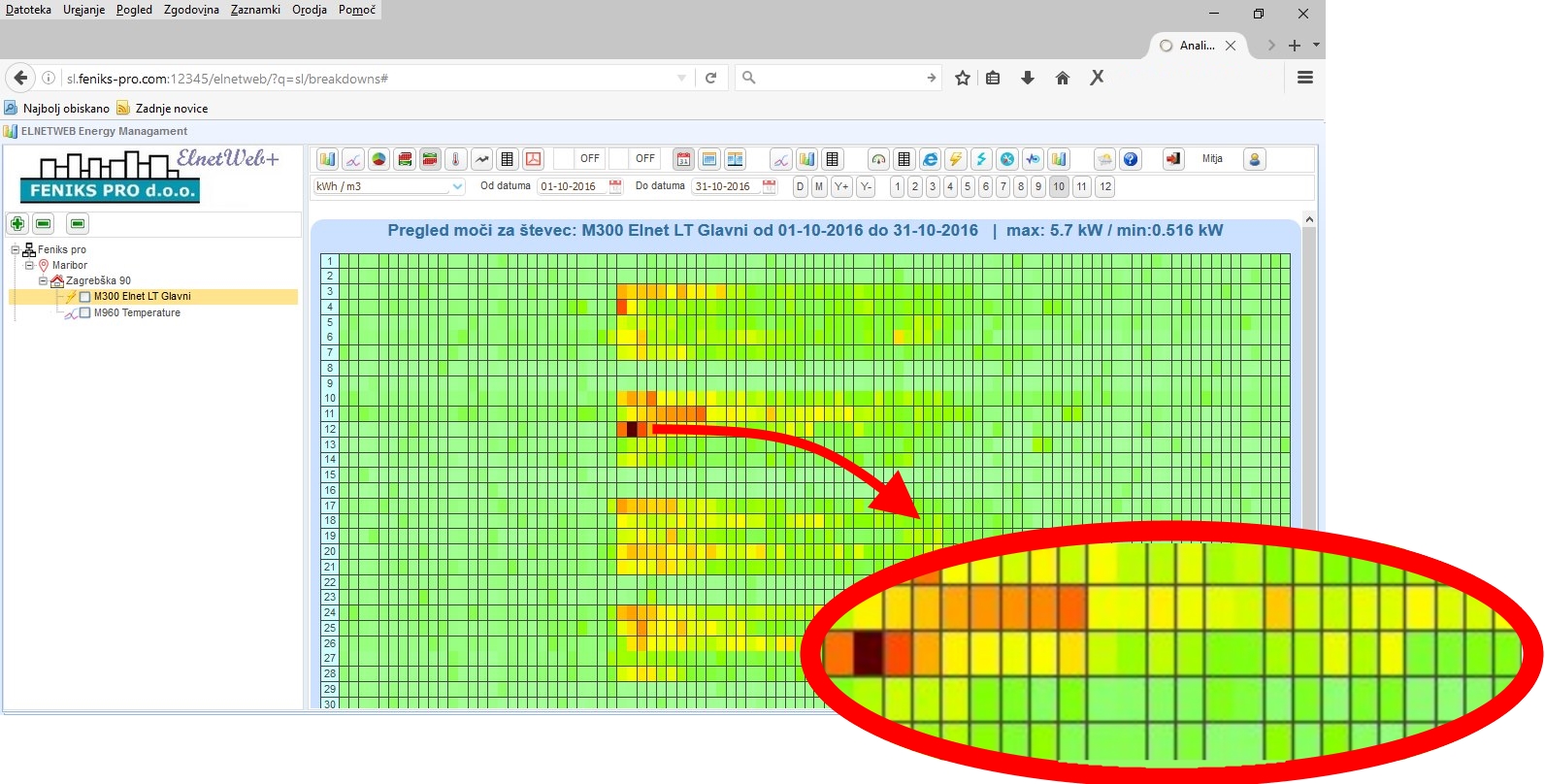
What are demand peaks?
High simultaneous electrical loads can affect network charges and operational costs. The first step is understanding when the peak occurs and which equipment contributes to it.
Measure before changing settings
Record a suitable interval demand profile and distinguish a persistent high load from a brief simultaneous start-up. Check actual time-dependent network tariffs and contractual power conditions.
What can a facility manager control?
Stagger noncritical starts, coordinate large electrical loads, review operating schedules and consider temporary limits on lower-priority consumers without disrupting essential processes.
BMS and EMS working together
EMS identifies the power demand pattern. BMS can execute approved control sequences or load-shedding actions. The design needs priorities, fallback rules and checks on safety and comfort.
Evaluating results
Compare demand profiles and charges under relevant conditions, not just a single peak. Regulatory tariff periods and calculation rules should be verified against current official information.
Typical causes of avoidable peaks
Several high-power consumers can start together following a common timer, shift change or restart after a power interruption. Heat pumps, chillers, ventilation units, production equipment and other loads may coincide for short periods. The important distinction is between a necessary peak, which cannot safely be removed, and a peak caused by avoidable scheduling or coordination.
Demand-management measures in more detail
Start with a ranked list of controllable consumers. Define which loads may be delayed, for how long, and under which operational conditions. A staged start sequence may be suitable for selected air-handling units or pumps, but essential ventilation, medical processes and safety systems require a different priority. The control strategy must incorporate operating limits and a fallback state if communication with the central EMS is lost.
Early warning is generally more useful than reporting a high peak after it has already occurred. If interval data and forecasts are available, the system can notify the operator when demand approaches a defined threshold. Automated actions should be recorded so that their effects can be evaluated.
Before changing contracted capacity
Review a sufficiently long demand history, seasonal operating patterns, production plans and foreseeable building changes. The cheapest apparent contract setting is not necessarily operationally appropriate. Current network-charge rules, time blocks and calculation methods must be confirmed using official regulatory sources, as they can change.
Seven steps to demand management
- Measure load profiles with a suitable interval and inspect historical peaks.
- Identify which consumers were active during each peak.
- Stagger the start of large, non-critical devices where operationally possible.
- Define priorities for temporary load reduction without affecting safety or required services.
- Check unnecessary operation caused by schedules and manual overrides.
- Distinguish essential demand from loads that can safely be delayed.
- Use a pre-peak warning and automatic rules where the available equipment supports them.
Commissioning demand-reduction logic
Load-shedding rules should contain clear priorities, maximum permitted interruptions, restart delays and manual override procedures. Test the effect on equipment such as heat pumps, chilled-water plants or air-handling units before using the strategy in production.
Network-charge optimisation must be based on the currently applicable regulatory methodology. Reduced electrical peaks do not necessarily translate into the same financial saving under every tariff structure.
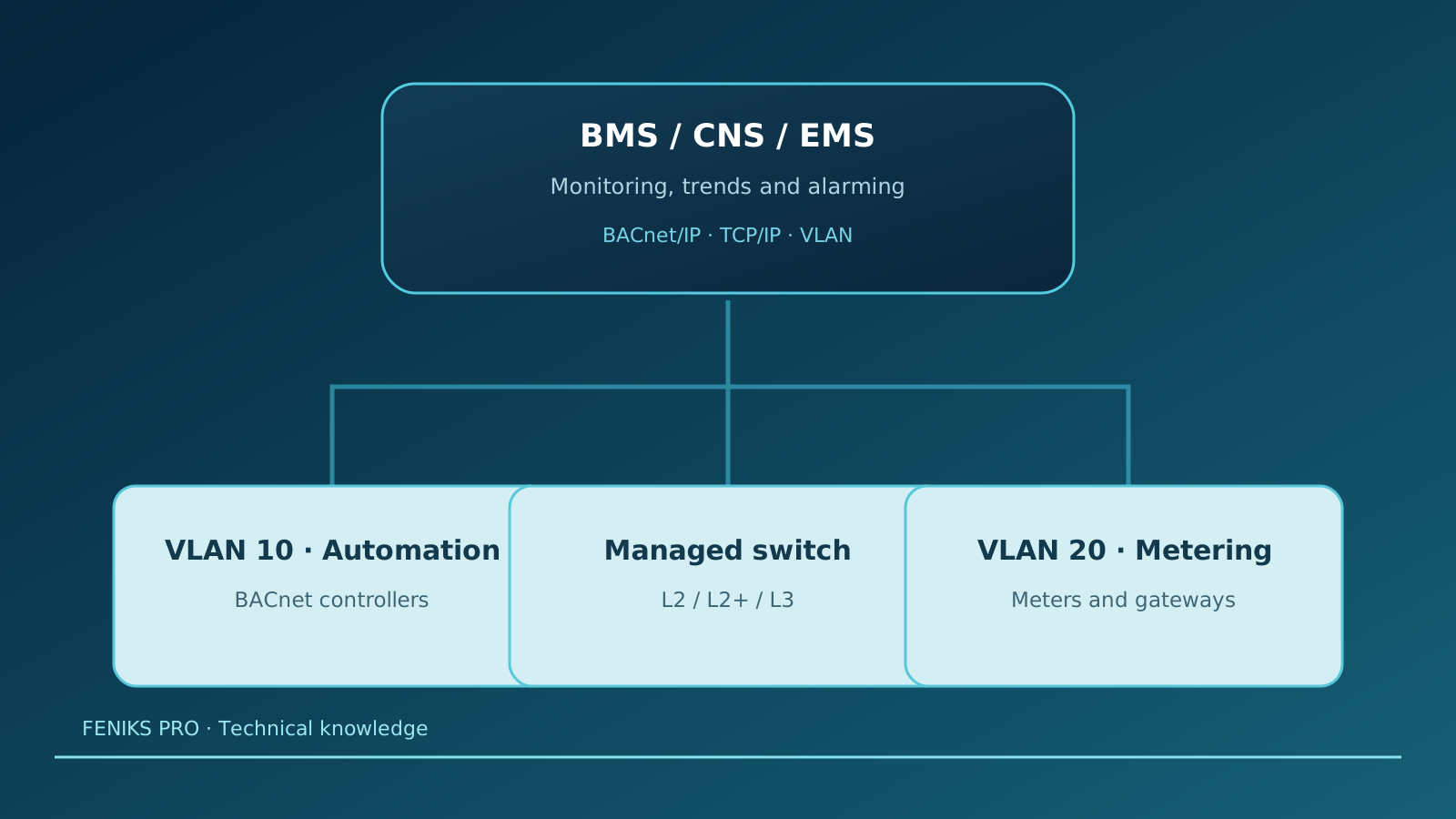 Network switches in building automation: L2, L2+ and L3 for BACnet/IPRead article ↗
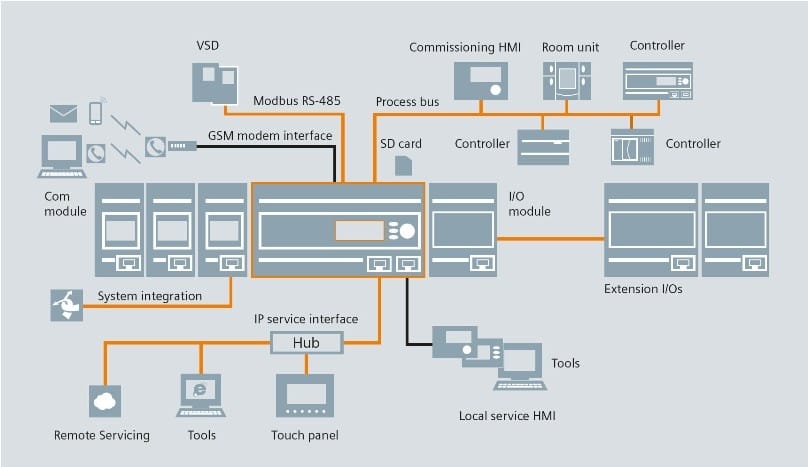 Five building automation mistakes that cost investors moreRead article ↗
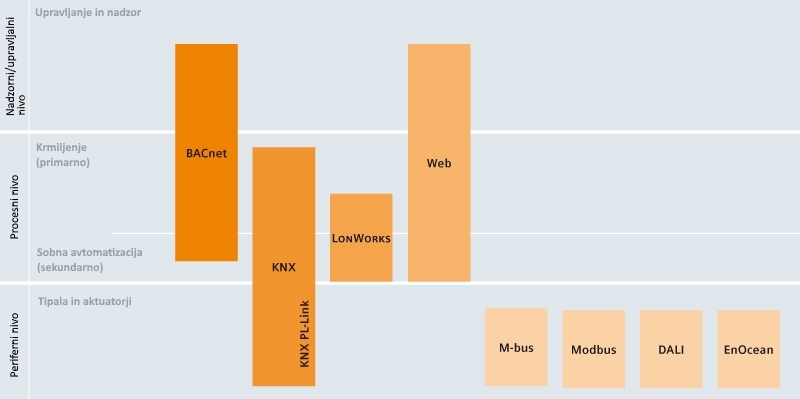 BACnet, Modbus or KNX: which protocol and when?Read article ↗