
What is the EPBD?
The Energy Performance of Buildings Directive sets the European policy framework for improving building energy performance. The revised directive entered into force in 2024 and includes requirements affecting technical building systems and automation.
Why BMS and EMS matter
Better measurement and control can help owners identify inefficient schedules, simultaneous heating and cooling, poor setpoints and other operational issues. Control systems are tools for demonstrating performance, not a substitute for a complete energy strategy.
Applications in real buildings
A building may have existing automation but still operate inefficiently because schedules have become outdated, sensors drift, alarms are ignored or operating conditions have changed. Reviewing trend data and equipment performance can reveal these problems.
Planning a response
Building owners should document existing systems, check actual consumption, assess automation capabilities, evaluate metering and plan improvements proportionate to the property and its use.
Regulatory caution
EU directives must be interpreted alongside the current national transposition, scope, exemptions and enforcement dates. This article is an engineering overview, not legal advice or a compliance certificate.
A practical building-automation readiness review
A useful first step is an inventory of technical systems: heating, cooling, ventilation, domestic hot water, room controls, metering and existing BMS equipment. Establish the controller generations, communication interfaces, ability to record trends and whether operators can change schedules safely. Identify buildings or subsystems where no historical data is available and where manual operation has become the normal workaround.
Then review electricity, heat and other energy demand in relation to occupancy, weather and operating times. Several buildings can have similar installed capacity but very different schedules and utilisation. Trends provide an evidence base for prioritising the most important technical improvements.
What an owner should request from a project team
Request a written functional specification, an installation and integration concept, a metering strategy and a commissioning plan. For each proposed optimisation, define the intended effect, operational constraints, responsible persons and a method of checking the outcome. Good documentation should make later maintenance, future upgrades and cooperation between different contractors easier.
Cybersecurity should be treated as part of the design: network segmentation, authorised service access, backup and recovery procedures and clear ownership of credentials matter just as much as dashboards and energy reports.
Do not confuse European direction with a specific national obligation
Not every building must implement the same functions by the same date. The legal requirements depend on building characteristics, installed technical-system capacity, national implementing measures and possible exemptions. An engineering article cannot replace analysis of current Slovenian law or a formal compliance assessment. Check authoritative national regulations before setting mandatory project scope.
Key dates and the legal distinction
The recast Energy Performance of Buildings Directive (EU) 2024/1275 entered into force on 28 May 2024. Most national transposition measures were due by 29 May 2026. Whether a particular building must implement a specified automation function depends on the directive provisions and the applicable national implementing legislation, including scope and exemptions.
Why the directive matters operationally
- Better measurement and monitoring of technical building systems.
- More consistent control of heating, cooling and ventilation in occupied and unoccupied periods.
- Early detection of inefficient operation, faults and unnecessary simultaneous heating and cooling.
- Support for maintenance, system optimisation and transparent performance tracking.
BMS, CNS and EMS play different roles
A central BMS/CNS supports operation, alarms and supervisory control. An EMS organises consumption data, comparisons and analysis. Many installations benefit from both, but no single product label proves legal compliance.
Suggested readiness checklist
- Inventory plant equipment, capacities, controller generations and metering coverage.
- Review the available trends, schedules, alarms and communications interfaces.
- Determine which requirements apply to the building under current Slovenian legislation.
- Prioritise feasible upgrades and define how each improvement will be verified.
- Ensure cybersecurity, serviceability and documentation are part of the project.
Regulatory note: the article is not legal advice and does not establish current Slovenian compliance. Consult the consolidated directive and current national legislation for binding requirements.
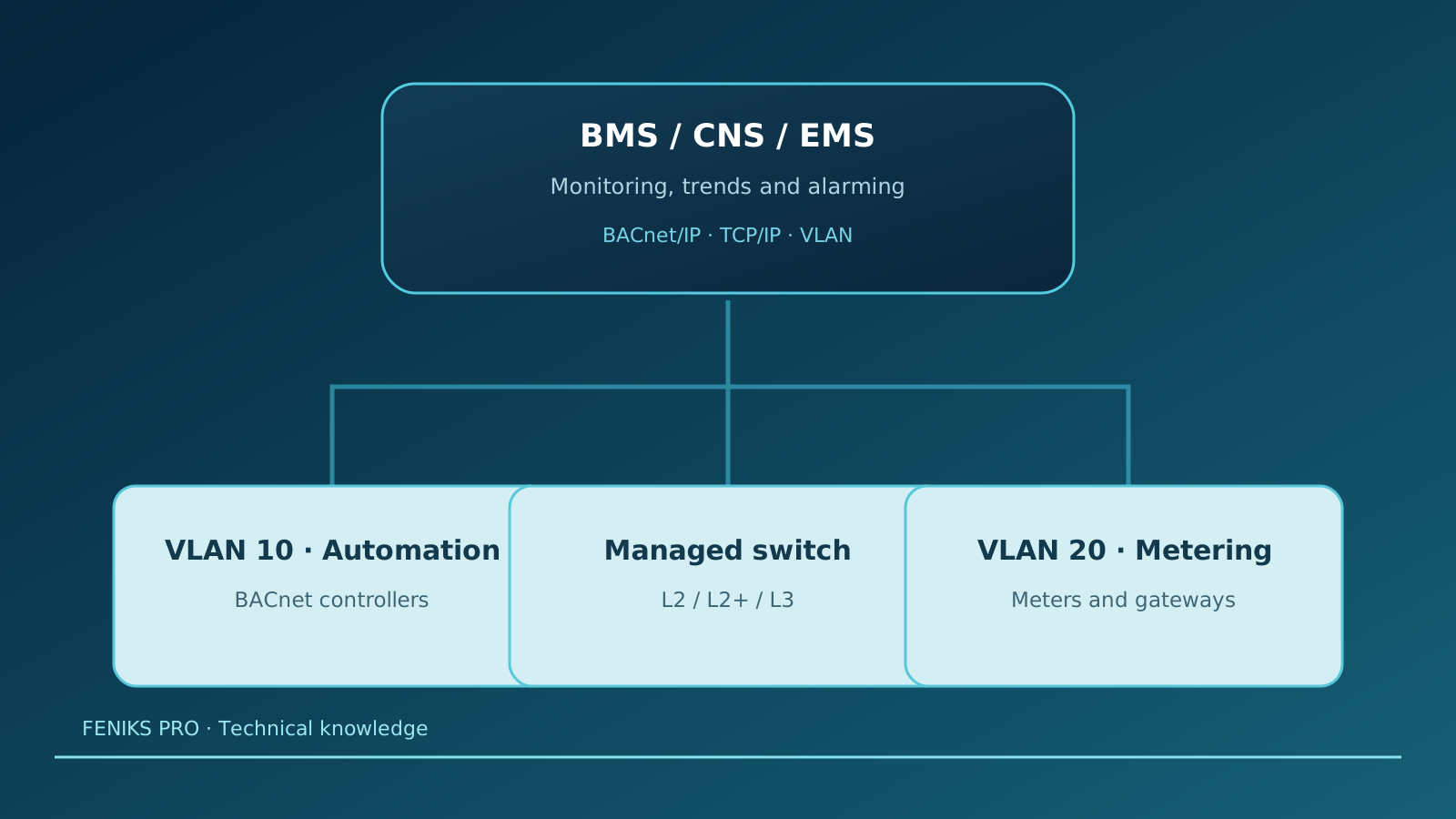 Network switches in building automation: L2, L2+ and L3 for BACnet/IPRead article ↗
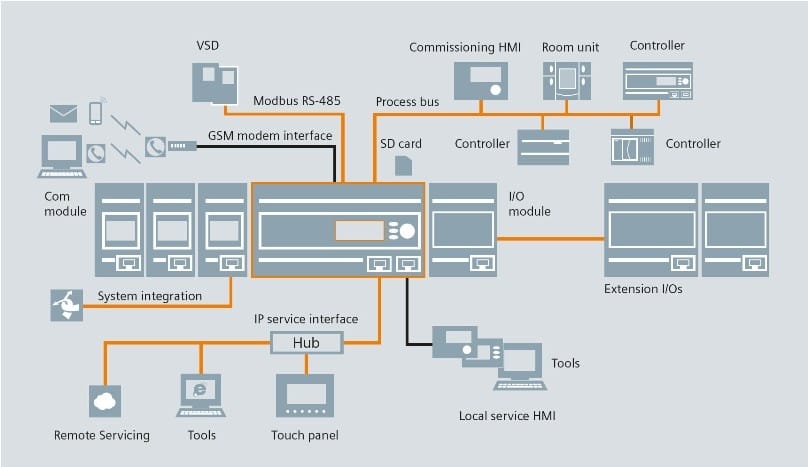 Five building automation mistakes that cost investors moreRead article ↗
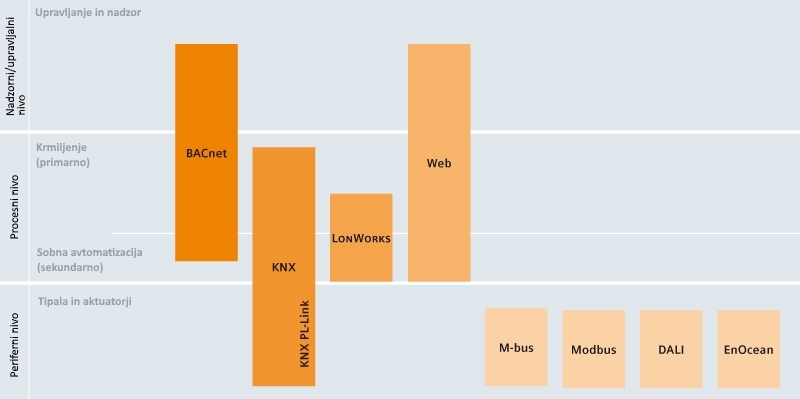 BACnet, Modbus or KNX: which protocol and when?Read article ↗